
Masonry Painting in Maidenhead
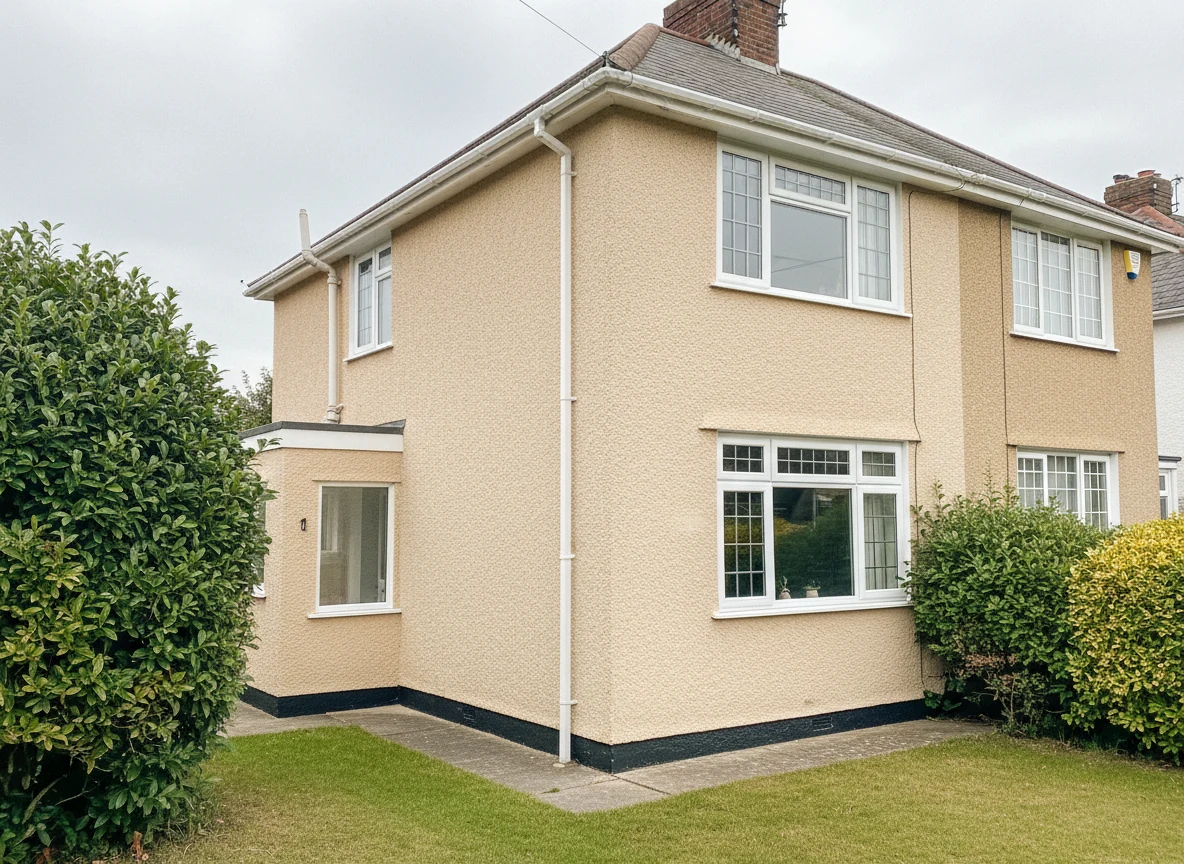
Maidenhead Painters connects Maidenhead homeowners with a trusted local painter and decorator for masonry painting across the SL6 catchment. Masonry is a specific substrate category with preparation requirements that a standard exterior repaint does not always address in full. Maidenhead Painters covers pebbledash stabilisation, hollow-section identification, crack assessment, biological growth treatment, and masonry paint application on rendered and masonry elevations.
What Maidenhead Painters covers:
- Pebbledash stabilising solution before masonry paint on 1930s properties
- Hollow-section identification and repair on rendered surfaces
- Biological growth assessment and biocide pre-wash on affected elevations
- Render-only masonry painting where joinery is out of scope
Call for a free quote.
How Maidenhead Painters Works
Maidenhead Painters connects Maidenhead homeowners with a trusted local painter and decorator. Tell us about the job and we’ll match you with the right decorator for your area — one we know and rate.
From the first site visit to the written quote, the work, and the guarantee that backs it, everything is handled directly between you and your decorator. We make the introduction and stay on hand; they do the work and stand behind it.
Why Choose Maidenhead Painters
Stabilising Solution Standard
Pebbledash on 1930s SL6 properties needs stabiliser before masonry paint. Standard step on every quote.
Hollow-Section Assessment
Your decorator taps rendered surfaces before any paint to identify debonded sections that need cutting out and repointing.
Lime-Compatible Repair
Period properties in Cookham and Bray carry lime render. Lime-compatible materials and breathable paint are used.
SL6 Coverage
From central Maidenhead to Cookham, Bray, and Taplow-edge: every postcode in the catchment.
Masonry Painting Services
Pebbledash Stabilisation and Masonry Paint
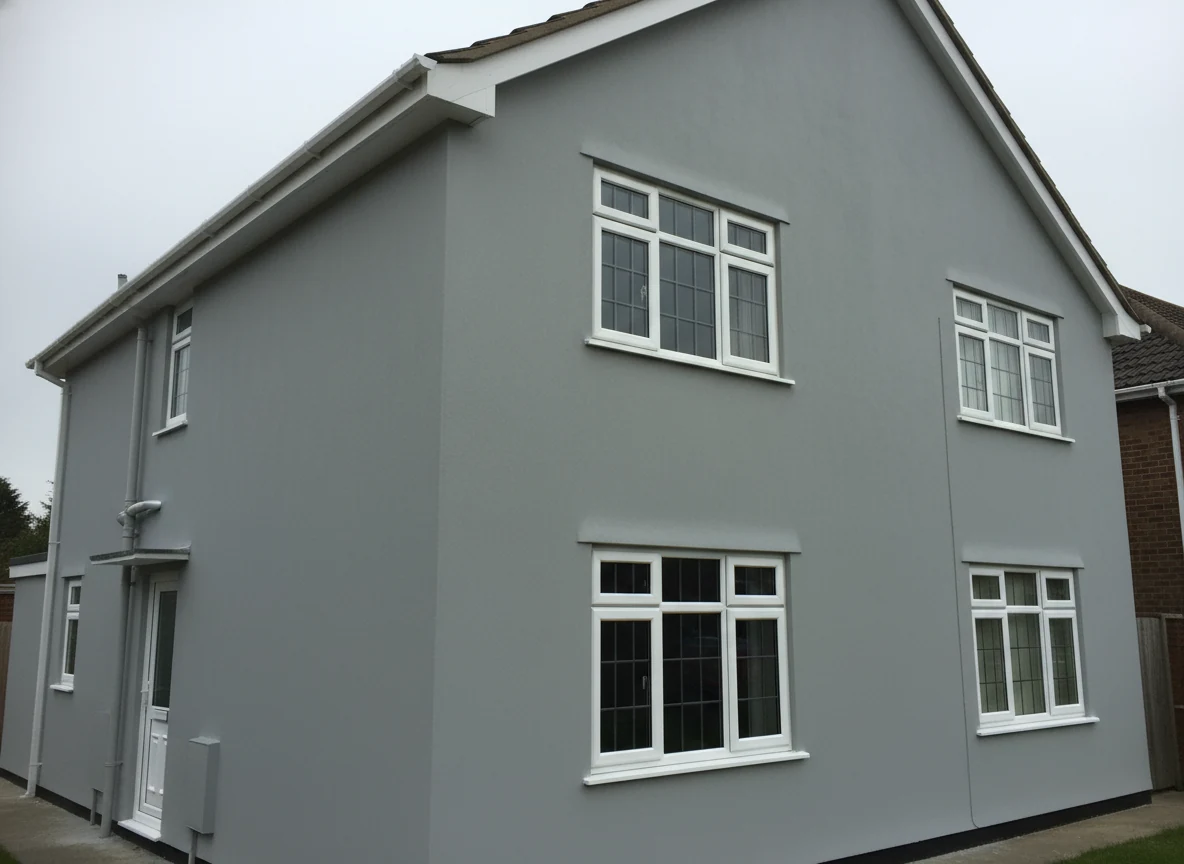
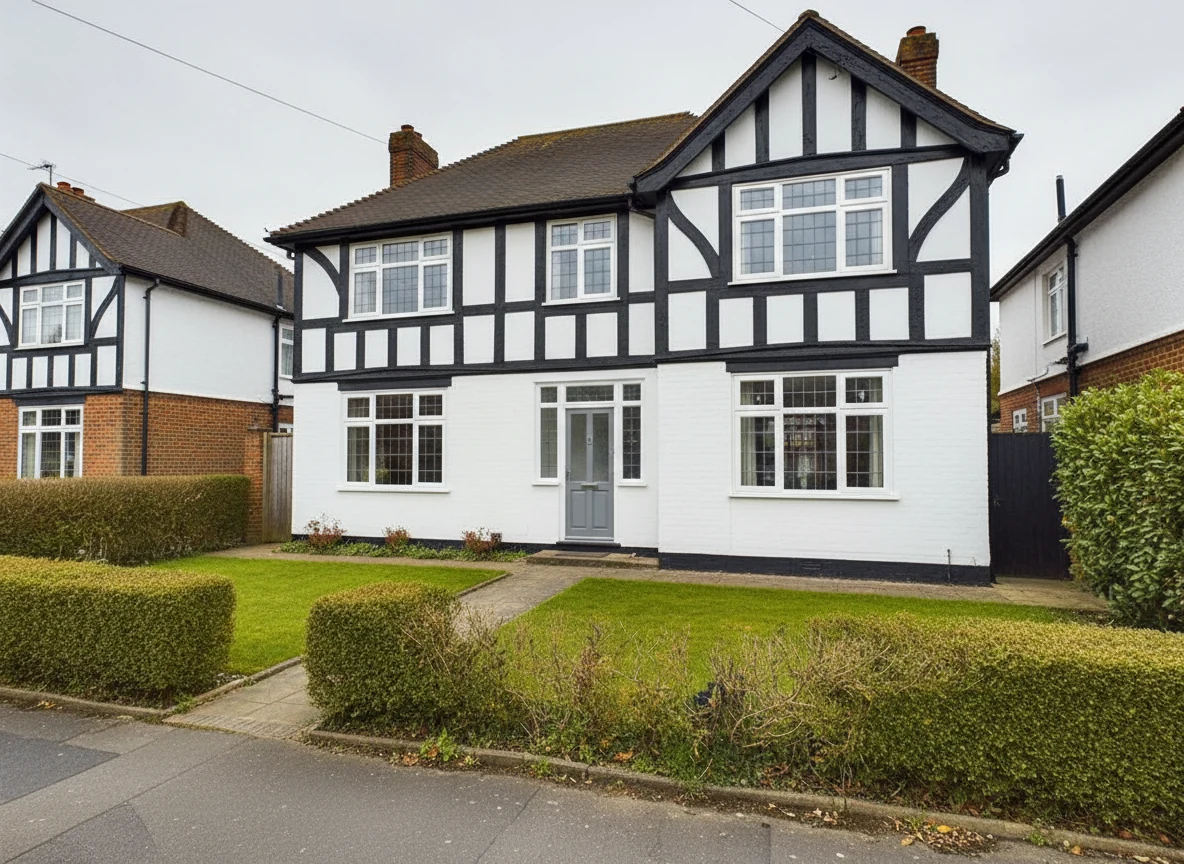
The 1930s housing stock across the western SL6 suburbs carries a high proportion of pebbledash exteriors. Over decades, the aggregate partially debonds from the render base, creating a surface that is loosened and friable in places.
Masonry paint applied directly to unstabilised pebbledash sits on the loose aggregate rather than bonding to the render. Your decorator applies a penetrating stabilising solution across the full pebbledash surface before any primer or masonry paint. This step is non-negotiable on pebbledash.
Hollow-Section Identification and Crack Assessment
Rendered surfaces develop hollow sections where the render has debonded from the substrate, and cracks that may indicate structural movement or thermal expansion. Hollow sections are identified by tapping the surface systematically before any work starts.
Large hollow sections are cut out and repointed with an appropriate render repair before the masonry paint system is applied. Your decorator advises on any crack that suggests movement rather than thermal expansion before starting. For full exterior masonry and joinery programmes, see our exterior painting page.
Biological Growth Treatment
Shaded and north-facing elevations on Maidenhead properties accumulate algae, moss, and lichen over time. Biological growth on rendered surfaces raises the moisture content of the render and provides a surface profile that accelerates further contamination.
Painting over active biological growth seals the organisms into the render. Blooms appear through the paint coat within two to three seasons. Your decorator applies a biocide wash to all affected areas before any masonry preparation.
Lime-Compatible Repair and Lime Render Painting
Period properties in Cookham and Bray carry lime render rather than modern sand-cement render. Repairing lime render with modern gypsum or sand-cement filler creates an incompatible repair that is harder than the surrounding lime and causes cracking at the boundary.
Lime-compatible repair materials are used on lime render throughout. Masonry paint on lime render must also be breathable. For the full period-property approach on lime substrates, see our period property painting page.
Here’s How It Works
1. Surface assessment
Your decorator assesses every masonry and rendered elevation before work starts. Hollow sections are identified by tapping. Cracks are assessed for type and cause. Biological growth is noted on all affected surfaces.
2. Biocide wash
Where biological growth is present, your decorator applies a biocide wash and allows a minimum dwell period before any further preparation begins.
3. Repair
Hollow sections are cut out and made good with the appropriate repair material: lime-compatible on lime render, standard masonry repair on modern sand-cement. Cracks are filled with flexible masonry filler.
4. Stabilising solution
Pebbledash and friable rendered surfaces receive a penetrating stabilising solution before primer. This is a critical step that is not optional on loosened aggregate surfaces.
5. Masonry paint application
Two finish coats of masonry paint, applied to the manufacturer’s specification and coverage rate, across all elevations in scope. Drying time between coats is respected.
6. Final inspection
Coverage, colour consistency, and junction detail are checked at all surface boundaries before closing the job.
Masonry Painting Costs in Maidenhead
Costs vary across Maidenhead’s SL6 stock; the ranges below are illustrative, and your decorator quotes each project from a site visit. Call for a precise quote.
Surface Condition
A stable rendered surface in good condition requires less preparation than one with hollow sections, heavy biological growth, or significant crack repair. The preparation stage determines durability.
Biological Growth Extent
Heavily contaminated north-facing elevations require a full biocide wash cycle before preparation can begin. This adds time and cost to the programme.
Render Type
Lime render requires breathable masonry paint and lime-compatible repair materials, which cost more per litre and per kilogram than standard modern products.
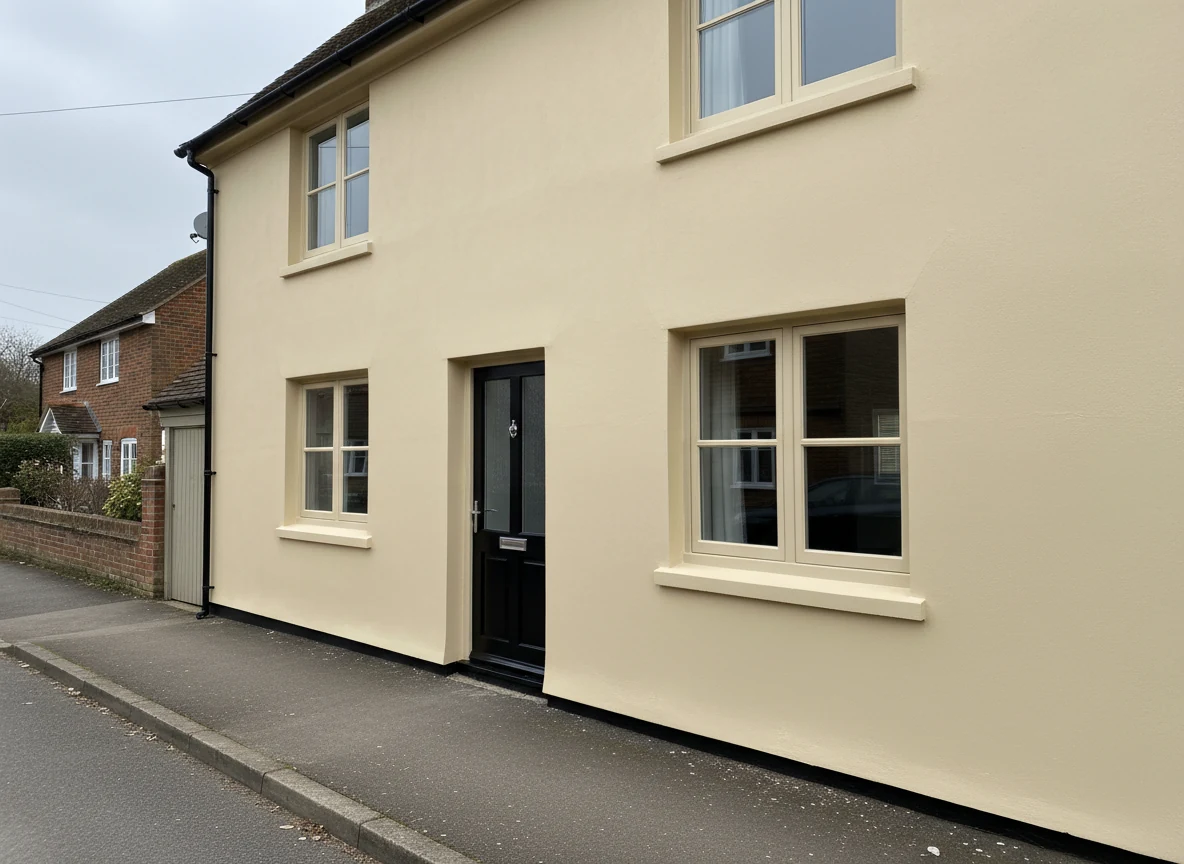
Trade insight: a pebbledash masonry repaint on a 1930s semi in Furze Platt (front and gable elevations, stabilising solution, two coats of masonry paint) typically runs GBP 1,800 to GBP 3,000, depending on surface condition and the extent of crack and hollow-section repair required. Call for a written quotation.
Arrange a site visit and written masonry painting quote